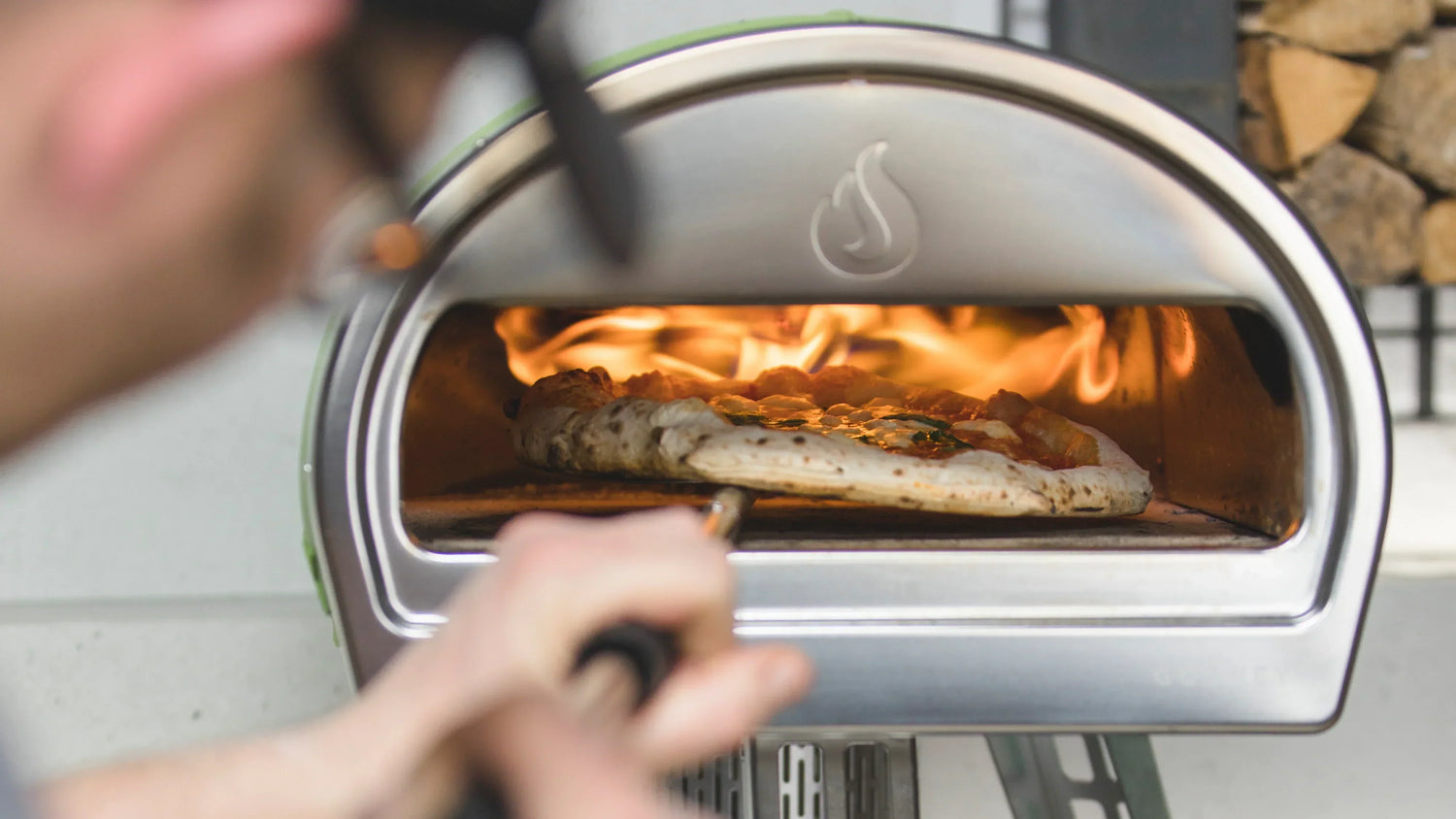
There's nothing more frustrating than preparing a homemade pizza, only for it to stick to the peel when you're ready to launch. It's a common problem, but the good news is that learning how to stop pizza sticking to the peel is easier than you might think.
Learning how to stop pizza sticking to the pizza peel doesn't require expensive equipment or years of experience. Most sticking problems can be prevented by making a few simple adjustments. Simple techniques like lightly dusting your pizza peel with flour or semolina, controlling excess moisture, avoiding too many toppings, and performing a quick shake test can make all the difference.
In this guide, we'll explain why pizzas stick, share quick fixes, compare wooden and metal peels, and cover the best preparation and launching techniques. You'll also learn how to rescue a stuck pizza and avoid common mistakes for smoother, more confident launches.

Why Does Pizza Stick to the Peel?
Pizza sticking to the peel usually has a clear cause, and once you identify what's going wrong, it's much easier to prevent it. Most sticking problems come down to excess moisture, slow preparation, uneven dusting, or too many toppings.
Too much moisture
Over-hydrated dough, leaking tomato sauce, or watery mozzarella can make the pizza base sticky. Moisture can seep through thin areas of dough and into the flour or semolina underneath, creating a paste that causes the pizza to cling to the peel.
Leaving the pizza on the peel too long
Leaving the pizza on the peel for too long during the preparation process gives moisture from the dough time to soak into the dusting layer. As the dusting layer becomes damp, it loses its ability to keep the pizza moving freely.
Insufficient or uneven dusting
Without enough flour or semolina on the pizza peel, parts of the dough can come into direct contact with the peel. Even a small area without dusting can cause the pizza to catch when you try to launch it.
Overloading with toppings
Too much sauce, cheese, or other toppings adds weight and moisture. This adds downward pressure onto the dough meaning it sticks more firmly against the peel, increasing the risk of sticking.
Understanding these common causes is the first step in learning how to stop pizza dough sticking to the peel and achieving smoother, more consistent launches.

Quick Fixes
If you're looking for a simple answer to how to stop pizza from sticking to the peel, start by adjusting the way you prepare the peel and handle the assembled pizza. You don't need to overhaul your entire recipe. Often, a few small improvements are enough to turn a frustrating launch into a smooth one.
Here are five quick fixes worth trying:
- Dust the peel evenly - Apply a thin layer of flour or semolina across the area where the pizza will sit. This creates a dry barrier between the dough and the peel, reducing friction and helping the pizza slide.
- Keep the peel completely dry - Any water, oil, or sticky dough residue can cause fresh dough to attach to the surface - Wipe and dry the peel thoroughly before preparing another pizza.
- Work quickly once the dough is on the peel. Have your sauce, cheese, and toppings ready beforehand. The less time the pizza spends resting on the peel, the better.
- Avoid overloading your pizza - Use enough toppings to create flavour without adding excessive weight or liquid. A lighter pizza is generally easier to launch.
- Perform a shake test - Give the peel a few gentle, short movements before approaching the oven. If the pizza moves freely, you're ready to launch. If part of it stays in place, address the sticking area first.

Flour or Semolina: Which Type of Dusting Should I Use?
Both flour and semolina help prevent pizza dough from sticking to the peel. Regular flour is widely available, affordable, and effective, but many experienced pizza makers prefer semolina or a combination of both.
Semolina's coarser grains reduce friction, helping the pizza slide more easily. It's also less prone to sticking and burning than fine flour, although excess amounts can still scorch.
For best results, use a light, even dusting of either ingredient, or combine both for easier launching. Explore our guide to the best flour for pizza for more advice.
|
The differences between flour and semolina |
||
|
Key feature |
Flour |
Semolina |
|
Texture |
Ground into a smooth, fine powder |
Larger granules create a coarse, grainy texture |
|
Non-stick quality |
Good, but can stick if left too long |
Coarse granules create a rolling barrier that prevents sticking |
|
Ease of use |
Easy to find in and very forgiving for novice pizza makers. Requires more dusting. |
Less commonly available, but still easy to get hold of. Requires less dusting |
|
Flavour |
Flavourless, so it doesn't directly impact flavour. |
Adds a slight nutty flavour to the bread |
|
Crust |
Little or no impact on crust |
Can make the base slightly crunchier |
|
Risk of burning |
High, particularly when using a very hot oven |
Lower risk, but excess flour can burn in the oven. |
|
Ease of cleaning |
Likely to leave significant residue in the oven |
Usually leave very little residue |
|
Best for |
|
|
Wood vs Metal: Which Type of Peel Should I Use?
When choosing between a wooden and metal pizza peel, neither is necessarily better. Both have different strengths, and the right choice depends on how you prepare, launch, and cook your pizza.

Wooden Pizza Peel
A wooden pizza peel is particularly useful for beginners and anyone struggling with dough sticking. Its slightly porous surface absorbs a small amount of moisture from the dough, reducing the risk of sticking. It also provides better grip when carrying your pizza from the preparation area to the oven. However, its thicker design makes it less suitable for turning pizzas during cooking.

Metal Pizza Peel
A metal pizza peel is thinner and lighter, making it easier to slide underneath pizzas for turning and removal. However, uncooked dough is more likely to stick to metal, especially if left on the peel for too long.
Many experienced pizza makers use both: a wooden peel for preparation and launching, and a metal peel for turning and removing pizzas from the oven.
|
Which type of peel should I use? |
||
|
Key feature |
Wood peel |
Metal peel |
|
Launching pizza |
Very easy to launch |
Requires a quick, firm launch |
|
Turning/removing pizza |
Difficult due to thick blade |
Easy due to thin blade |
|
Durability |
Requires care and maintenance to avoid warping and cracking |
Very hard-wearing, with excellent heat resistance |
|
Weight |
Solid and heavy |
Lightweight and agile, but not flimsy |
|
Non-stick quality |
Excellent, dough unlikely to stick |
Good, but dough may stick if left too long |
|
Ease of cleaning |
Hand wash only |
Easy thanks to good durability |
|
Ease of storage |
Bulky build takes up space |
Slim build takes up little space |
|
Best for |
|
|

How Do I Prepare the Peel?
Proper preparation is essential for preventing pizza dough from sticking to the peel. If you're wondering how to stop dough sticking to pizza peel, follow these simple steps:
- Make sure the peel is dry: Before starting, check that your pizza peel is completely clean and dry.
- Dust the peel evenly: Lightly sprinkle flour or semolina across the surface, ensuring all areas are covered. This creates a barrier that reduces sticking.
- Shake off excess flour: Avoid using too much flour, as it can burn and leave a bitter taste.
- Transfer the stretched dough: Carefully move your stretched pizza dough onto the prepared peel.
- Add toppings quickly: Spread your sauce, cheese, and other toppings evenly and efficiently. The less time the dough rests on the peel, the lower the risk of sticking.

How Do I Launch a Pizza?
Launching a pizza is fairly simple once you've mastered the technique. The key is to check that the dough moves freely and launch it quickly without hesitation. If you're learning how to stop a pizza sticking to the peel, following these two steps can make a big difference.
1. Perform the Shake Test
Hold the peel level and gently shake it backwards and forwards. The pizza should move freely across the surface.
If you notice an area that won't move, carefully lift that section using your fingers or a dough scraper. Sprinkle a little flour or semolina underneath, then repeat the shake test. Continue until the entire pizza slides easily.
2. Launch Quickly and Firmly
Once your pizza moves freely, position the front edge of the peel just above the oven floor, where you want the pizza to land.
Push the peel forward firmly, then pull it backwards in one quick, controlled motion. This allows the pizza to slide smoothly onto the hot cooking surface.
Avoid hesitating or tilting the peel too steeply, as this can cause the dough to fold or the toppings to slide off. With practice, you'll develop a smooth, confident launching technique.
Common Mistakes
Even experienced pizza makers can struggle with dough sticking to the peel. Often, it's a few small mistakes during preparation that make launching difficult. Here are the most common issues and how to avoid them:
- Using overly moist dough: High-hydration dough can be sticky and difficult to handle. If your dough feels too wet, try adjusting the hydration slightly or using a little extra flour when stretching.
- Using a wet peel: Even a small amount of moisture can mix with flour or semolina, creating a sticky paste that makes the dough cling to the surface. Always ensure your peel is completely clean and dry.
- Overloading with toppings: Too much sauce, cheese, or other toppings adds extra moisture and weight, pressing the dough against the peel. Use moderate amounts and distribute toppings evenly.
- Leaving the pizza on the peel too long: The longer your pizza sits on the peel, the more moisture seeps into the dusting layer, increasing the risk of sticking. Prepare your ingredients beforehand and launch promptly.
- Skipping the shake test: Failing to check whether your pizza moves freely can lead to a messy launch. Always give the peel a gentle shake and loosen any sticking areas before launching.
Summary
Learning how to stop pizza sticking to the peel comes down to a few simple techniques. Start by controlling excess moisture in your dough and toppings and lightly dust your peel with an even layer of flour or semolina. Avoid overloading your pizza with sauce, cheese, or heavy toppings, and keep the time it rests on the peel to a minimum. And always perform a quick shake test before launching to make sure the dough moves freely.
The key to a smooth pizza launch is practice. As you refine your preparation and launching techniques, you'll find it easier to prevent sticking and make delicious homemade pizzas with confidence.
Looking to improve your pizza-making setup? Explore Gozney's full range of pizza ovens and accessories, including the portable compact pizza oven, to help take your home pizza-making experience further.
FAQs
My pizza is stuck to the peel - what do I do now?
Carefully lift the stuck area with a dough scraper or your fingers to avoid tearing, and add more flour or semolina underneath. Then perform a shake test and add more if required.
My pizza folded during launch - what do I do now?
Remove the pizza from the oven (if possible) and carefully unfold it, spreading the toppings out evenly. Then launch again - completely rebuilding the pizza is usually not necessary unless there is significant damage.
My pizza wouldn’t slide off the peel correctly - what do I do now?
Pull it back onto the peel, identify the area causing the problem and add extra flour or semolina to that area, then relaunch the pizza.
How much flour should I use to dust my pizza peel?
A light, even coating is usually perfect - enough to reduce friction, but not so much that it burns in the oven.
Is semolina better than flour for dusting a peel?
Generally, yes. Semolina’s larger grains allow the pizza to slide more naturally, making launching and handling easier.
What toppings are most likely to cause the pizza to stick to the peel?
Avoid anything with high water or oil content, excess sauce and heavy toppings. One other ingredient to be particularly aware of is fresh mozzarella - although a staple of pizza-making, the high water content can cause the pizza to stick.
How long can pizza dough rest on a peel before sticking?
The shorter, the better - as it rests, moisture soaks into the flour or semolina underneath and increases the risk of sticking. Resting for a couple of minutes while you apply toppings should be fine, but try not to let it sit for any longer.